Built from Jerusalem.
For the world.
The Jerusalem Bridge exists because the languages that shaped Jewish history, faith, and identity deserve better than what the language-learning industry has given them.
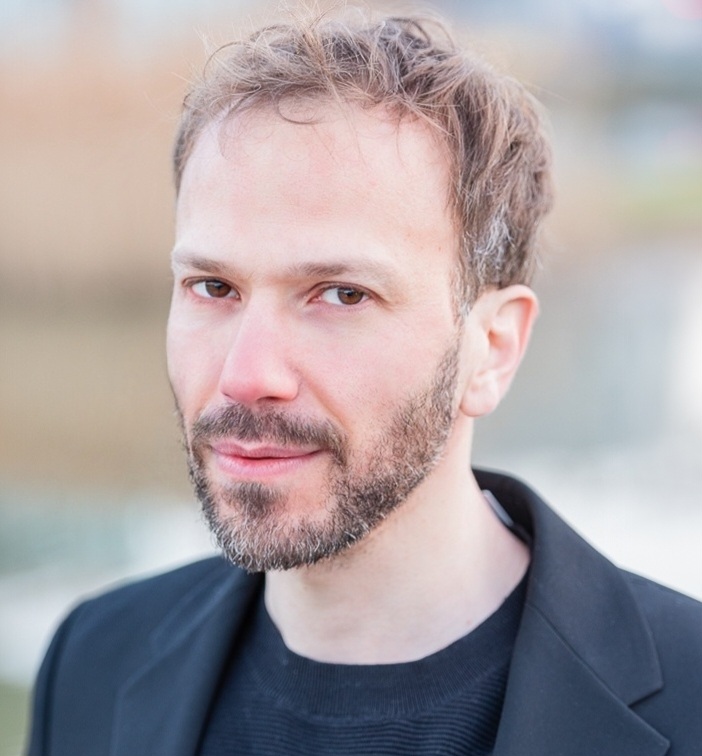
Yaacov Schlezinger
Founder & Teacher
Native Jerusalemite
The story
I grew up in Jerusalem, where my family has lived since 1870. Hebrew and Yiddish are both native to me: Yiddish is the language of my home, and I grew up speaking Hebrew in every register: the formal Hebrew of Torah study, the street Hebrew of Machane Yehuda, the liturgical Hebrew of Shabbat morning.
I started teaching Hebrew and Yiddish on Preply and italki because I kept meeting people who wanted desperately to connect — with family in Israel, with texts they'd been hearing their whole lives, with a part of their identity they felt slipping away — and every tool available to them was inadequate.
Duolingo's Hebrew course doesn't teach binyanim — the seven verb patterns that make the language actually make sense. Their Yiddish course confused dialects so badly that native speakers couldn't recognize it. The apps that do exist treat Biblical Hebrew and Modern Hebrew as completely separate languages when they're deeply interconnected.
I built The Jerusalem Bridge because I live at the intersection of these languages. Modern Hebrew is my daily life. Biblical Hebrew is my Torah study. Yiddish is the language I grew up hearing and now teach. Aramaic is my Talmud learning. I'm not a tech company that hired a Hebrew consultant — I'm the person who grew up with these languages.
Every feature on this platform comes from a real teaching moment. The Nikud Toggle exists because I watched student after student freeze when vowels disappeared. The Root Explorer exists because I saw how a single shoresh insight could unlock a month's worth of vocabulary. The lesson-fed flashcards exist because I noticed my students forgot what we covered together within 48 hours — unless they reviewed.
This isn't a language app. It's a bridge — between you and the texts, the people, and the places these languages connect you to.
Background
Languages
- · Hebrew (native)
- · Yiddish (native, the language of home)
- · French
- · English
- · German
Teaching
- · Preply & italki tutor
- · Private students worldwide
- · Modern Hebrew, Biblical Hebrew, Yiddish, Aramaic
Jerusalem
- · Born and raised in Jerusalem (family there since 1870)
- · Native Hebrew and Yiddish
- · At the intersection of all 4 sacred & spoken languages
The mission
To make Hebrew, Yiddish, and Aramaic learning as accessible and effective as learning Spanish or French — while honoring the depth, culture, and sacredness that make these languages unique.
Every person who wants to read their grandmother's letters, follow Torah in the original, or say the Shema and understand every word — they deserve tools as good as what the mainstream languages get.
Why here?
Real person, not a team of contractors
I teach every lesson, review every flashcard deck. Your teacher and the person who built your practice tools are the same person.
Jerusalem isn't a brand — it's where I come from
Born and raised in Jerusalem with family roots in the Old Yishuv going back to 1870. This isn't a marketing angle — it's the living cultural and textual context your learning is rooted in.
4 languages that most treat as 2 or 1
Biblical and Modern Hebrew are usually taught apart. I show you the bridge between them — because there is one, and it makes you better at both.
Your lessons feed your practice
After every lesson, the words we covered become your flashcards, so what you practise between lessons is what we actually did.
Join me.
Start with a trial lesson. It's 25 minutes, and we'll work out where you are and what you want from the language.